
A Hidden Gem in Bangladesh | Why People Travel to Sylhet
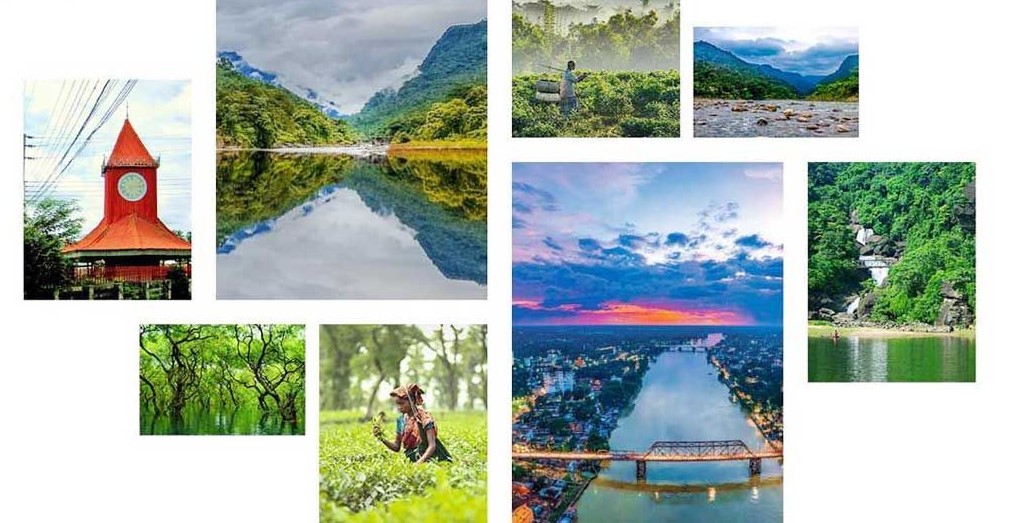
Why People Travel to Sylhet: A Hidden Gem in Bangladesh
Sylhet, often referred to as the "Land of Two Leaves and a Bud," is one of the most visited regions in Bangladesh. Nestled in the northeastern part of the country, this picturesque region offers a unique blend of natural beauty, cultural richness, and historical significance that attracts travelers from around the world. But why do people travel to Sylhet? In this article, we will explore the key reasons why Sylhet has become a must-visit destination for both domestic and international tourists.
1. Natural Beauty and Scenic Landscapes
One of the main reasons people travel to Sylhet is its stunning natural landscapes. The region is blessed with rolling hills, lush tea gardens, serene lakes, and waterfalls that offer a perfect escape from the hustle and bustle of city life. From the majestic Jaflong hills and the captivating Lawachara National Park to the picturesque Ratargul Swamp Forest, Sylhet's natural beauty is unparalleled.
2. Tea Gardens: A Walk Through History
Sylhet is famous for its sprawling tea gardens, which are among the largest in the country. The tea estates of Sylhet, such as the Sreemangal Tea Garden, have been producing high-quality tea for over a century. A visit to these tea gardens is not only a scenic experience but also an educational one. Travelers can learn about the tea production process and enjoy fresh tea directly from the source, making it a unique experience for any visitor.
3. Cultural Heritage and Spiritual Significance
Sylhet is home to a rich cultural heritage, heavily influenced by both Muslim and Bengali traditions. The region is known for its spiritual significance, especially the shrine of Hazrat Shah Jalal, one of the most revered Sufi saints in Bangladesh. Thousands of pilgrims visit the shrine every year to pay their respects, making it an essential stop for those interested in the religious and spiritual aspects of Bangladesh.
4. Delicious Cuisine
Another compelling reason people travel to Sylhet is its vibrant culinary scene. Sylheti cuisine is famous for its aromatic rice dishes, traditional stews, and mouth-watering sweets. The local dishes, such as "Panta Ilish" (fermented rice with hilsa fish) and "Misti" (sweets), offer a delightful treat for food lovers. Visitors can enjoy authentic Sylheti flavors in local eateries and experience the region’s rich food culture.
5. Friendly Locals and Hospitality
Sylheti people are known for their warmth and hospitality, making visitors feel at home during their travels. The friendly locals are always ready to offer assistance, share stories, and guide travelers through the scenic spots. This welcoming nature of the Sylheti people is one of the primary reasons why many tourists choose to return to this beautiful region time and time again.
6. Historical Landmarks and Heritage Sites
Sylhet is home to several important historical landmarks and heritage sites. For history enthusiasts, the region offers a glimpse into Bangladesh's past with its ancient mosques, colonial-era buildings, and heritage sites. The ancient mosque of Bibi Mariam, the British colonial buildings in Sylhet city, and the historical Sylhet District Museum are just a few examples of the region's historical importance.
7. Adventure and Eco-Tourism
For adventure seekers and eco-tourists, Sylhet offers a plethora of opportunities. From hiking in the hills of Jaflong to exploring the swamps of Ratargul, there is something for every type of traveler. The region is also home to several national parks and wildlife sanctuaries, making it a haven for nature lovers and bird watchers.
8. A Hub for Diaspora and Family Reunions
Sylhet has a large expatriate population, particularly in the United Kingdom, which has created a strong cultural connection between the two regions. Many people from the Sylheti diaspora visit their ancestral homes in Sylhet to reconnect with family, heritage, and culture. This cultural bond brings a unique aspect to the region's tourism, as families reunite and celebrate together in the land of their ancestors.
9. Peaceful and Relaxing Atmosphere
Sylhet offers a peaceful and calm environment that is perfect for those looking to relax and unwind. Unlike the crowded cities, Sylhet provides a tranquil setting where visitors can disconnect from the chaos of everyday life. Whether it’s a serene walk through the tea gardens or a peaceful boat ride on the Kushiara River, the region offers ample opportunities for relaxation.
10. Affordable Travel Destination
One of the most appealing aspects of traveling to Sylhet is its affordability. Compared to other popular tourist destinations in Bangladesh, Sylhet offers budget-friendly accommodation, food, and transportation options. This makes it an ideal destination for budget-conscious travelers who want to explore a beautiful region without breaking the bank.
Conclusion
Sylhet is truly a hidden gem in Bangladesh, offering a unique blend of natural beauty, cultural richness, and historical significance. Whether you're an adventure seeker, a history buff, a foodie, or someone looking to reconnect with their roots, Sylhet has something to offer everyone. Its peaceful atmosphere, friendly locals, and abundance of attractions make it an unforgettable destination for travelers. So, if you’re wondering why people travel to Sylhet, it’s because this enchanting region has a little bit of everything to make your visit truly special.
সিলেট, যা "দুই পাতা এবং এক কুঁড়ির দেশ" নামে পরিচিত, বাংলাদেশের অন্যতম জনপ্রিয় পর্যটন স্থান। দেশের উত্তর-পূর্ব অংশে অবস্থিত এই আকর্ষণীয় অঞ্চলটি প্রাকৃতিক সৌন্দর্য, সাংস্কৃতিক ঐতিহ্য এবং ঐতিহাসিক গুরুত্বের অনন্য মিশ্রণ প্রদান করে যা সারা বিশ্ব থেকে পর্যটকদের আকর্ষণ করে। তবে কেন মানুষ সিলেট ভ্রমণ করে? এই নিবন্ধে আমরা সেই সব মূল কারণগুলো বিশ্লেষণ করব যার কারণে সিলেট বাংলাদেশের একটি অন্যতম জনপ্রিয় পর্যটন গন্তব্য হয়ে উঠেছে।
১. প্রাকৃতিক সৌন্দর্য এবং মনোরম দৃশ্য
সিলেটের অন্যতম প্রধান আকর্ষণ হলো এর দুর্দান্ত প্রাকৃতিক দৃশ্যাবলী। এই অঞ্চলটি পাহাড়, চা বাগান, শান্ত হ্রদ এবং জলপ্রপাত দ্বারা পূর্ণ, যা শহরের বিশৃঙ্খলা থেকে মুক্তির জন্য আদর্শ স্থান। জাফলং পাহাড়, লাওছাড়া জাতীয় উদ্যান এবং রতরগুল স্বাম্প ফরেস্ট-এর মতো প্রাকৃতিক সৌন্দর্য সিলেটের অতুলনীয় বৈশিষ্ট্য।
২. চা বাগান: ইতিহাসের একটি সফর
সিলেট চা বাগানের জন্য বিখ্যাত, যা দেশের অন্যতম বৃহত্তম। সিলেটের চা বাগানগুলি শতাব্দী ধরে উচ্চমানের চা উৎপাদন করছে। এই চা বাগানগুলোতে দর্শনার্থীরা শুধু প্রাকৃতিক সৌন্দর্য উপভোগই করতে পারবেন না, বরং চা উৎপাদন প্রক্রিয়া সম্পর্কেও জানার সুযোগ পাবেন।
৩. সাংস্কৃতিক ঐতিহ্য এবং আধ্যাত্মিক গুরুত্ব
সিলেট একটি সমৃদ্ধ সাংস্কৃতিক ঐতিহ্যের অধিকারী, যা মুসলিম এবং বাঙালি সংস্কৃতির মিলিত প্রভাব দ্বারা গঠিত। সিলেটের ধর্মীয় গুরুত্ব বিশেষভাবে হযরত শাহ জালাল এর মাজারের কারণে উল্লেখযোগ্য, যেটি বাংলাদেশের অন্যতম শ্রদ্ধেয় সুফি সাধক।
৪. সুস্বাদু খাবার
আরেকটি প্রধান কারণ যার জন্য মানুষ সিলেট ভ্রমণ করে তা হলো এখানে পাওয়া সুস্বাদু খাবার। সিলেটি রান্না সুগন্ধি ভাত, ঐতিহ্যবাহী স্টু এবং মনোরম মিষ্টির জন্য বিখ্যাত। এখানে স্থানীয় খাবার যেমন "পান্তা ইলিশ" এবং "মিষ্টি" এক দুর্দান্ত অভিজ্ঞতা প্রদান করে।
৫. বন্ধুত্বপূর্ণ স্থানীয়রা এবং অতিথিপরায়ণতা
সিলেটি মানুষ তাদের উষ্ণতা এবং অতিথিপরায়ণতার জন্য পরিচিত, যা দর্শনার্থীদের তাদের ভ্রমণে বাড়িতে অনুভব করায়। স্থানীয়রা সর্বদা সাহায্য করতে প্রস্তুত থাকে, গল্প শেয়ার করে, এবং দর্শনীয় স্থানগুলোতে পর্যটকদের গাইড করে।
৬. ঐতিহাসিক স্মৃতিস্তম্ভ এবং ঐতিহ্যবাহী স্থান
সিলেটের অনেক গুরুত্বপূর্ণ ঐতিহাসিক স্মৃতিস্তম্ভ এবং ঐতিহ্যবাহী স্থান রয়েছে। ইতিহাসের অনুরাগীদের জন্য, এই অঞ্চল বাংলাদেশের অতীতের একটি আভাস দেয় তার প্রাচীন মসজিদ, উপনিবেশিক যুগের ভবন এবং ঐতিহ্যবাহী স্থানগুলির মাধ্যমে।
৭. অ্যাডভেঞ্চার এবং ইকো-টুরিজম
অ্যাডভেঞ্চারপ্রেমী এবং প্রকৃতি পর্যটকদের জন্য সিলেট অফার করে প্রচুর সুযোগ। জাফলং পাহাড়ে হাইকিং থেকে রতরগুলের জলাভূমি অন্বেষণ পর্যন্ত, এখানে প্রতিটি পর্যটকের জন্য কিছু না কিছু আছে।
৮. প্রবাসী এবং পারিবারিক পুনর্মিলন
সিলেটে একটি বড় প্রবাসী জনগণ রয়েছে, বিশেষ করে যুক্তরাজ্যে, যা এই দুটি অঞ্চলের মধ্যে একটি শক্তিশালী সাংস্কৃতিক সংযোগ সৃষ্টি করেছে।
৯. শান্তিপূর্ণ এবং আরামদায়ক পরিবেশ
সিলেট একটি শান্ত এবং নিরিবিলি পরিবেশ প্রদান করে, যা তাদের জন্য আদর্শ যারা বিশ্রাম নিতে এবং মুক্তি পেতে চান।
১০. সাশ্রয়ী ভ্রমণ গন্তব্য
সিলেট ভ্রমণের একটি অন্যতম আকর্ষণীয় দিক হলো এর সাশ্রয়ী মূল্যে।
সিদ্ধান্ত
সিলেট বাংলাদেশে একটি লুকানো রত্ন, যা প্রাকৃতিক সৌন্দর্য, সাংস্কৃতিক ঐতিহ্য এবং ঐতিহাসিক গুরুত্বের একটি অনন্য মিশ্রণ অফার করে।
জৈন্তিয়া হিল রিসোর্ট সম্পাদকীয় দল
আমরা পর্যটকদের কাছে সিলেটের অনুপম প্রাকৃতিক সৌন্দর্য, পাহাড়ি ঝর্ণা, চা বাগান ও নিরাপদ ভ্রমণের তথ্য পৌঁছে দিতে নিয়মিত লিখছি।